
Small Leaks, Big Damage: Prevent Frozen Pipes Before Winter


Most water damage does not start with a dramatic burst. It starts with something small: a slow drip under a sink, a pipe in a cold corner, a fitting that has been weeping for weeks.
Along the Front Range, cold snaps can arrive fast. A warm October afternoon can be followed by a hard freeze overnight. That is why the best time to check your plumbing is now, before the first real cold.
This guide covers two things: how to reduce your risk of frozen pipes, and how to leave town for the winter with real peace of mind.
Why Frozen Pipes Happen Along the Front Range
Water expands as it freezes. When it freezes inside a pipe, pressure builds, and the pipe can crack or split. The damage often shows up after the thaw, when water starts flowing again.
Frozen pipes are most likely in places that lose heat quickly:
Pipes along exterior walls
Pipes in unheated garages, crawl spaces, and attics
Lines near gaps or drafts, such as where pipes pass through a wall or foundation
Outdoor hose bibs and the short sections of pipe feeding them
Colorado adds a few twists. Big temperature swings, wind, and cold nights even on sunny days can all catch homeowners off guard. Homes that sit empty for days at a time are especially exposed, because nobody is there to notice a problem early.
Small Leaks to Check Before the Cold Arrives
A small leak is easier to fix in October than in January. A quick walk through your home can turn up most of the common trouble spots.
Under sinks: Look for damp cabinet floors, water stains, or a musty smell.
Washing machine hoses: Check for bulging, cracking, or moisture at the connections.
Toilet supply lines and shutoff valves: Look for drips or mineral crust around fittings.
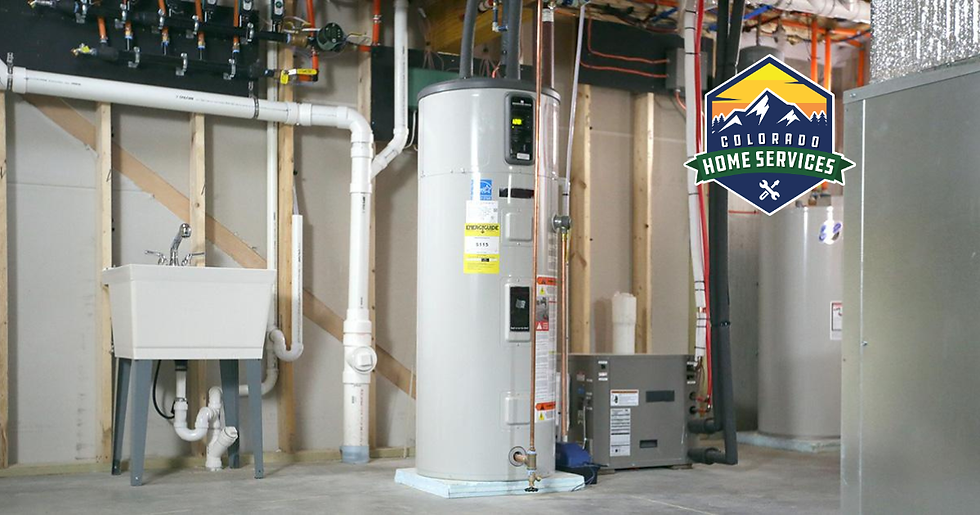
Your water heater: Check the base and the connections for moisture or rust. If your unit is aging or showing signs of leaking, a visit from our team can help you decide between repair and replacement. Learn more about our water heater services.
Exposed pipes in the basement or garage: Look for corrosion, drips, or wet insulation.
If you find something, do not wait for it to get worse. Small leaks tend to grow, and cold weather puts extra stress on weak spots.
Not sure where a leak is coming from? Our plumbing team can help. Along with water heater replacement, water heater flushes, and tankless descaling, we offer water leak diagnostics, help with faucet, toilet, and sink issues, and plumbing fixture installation.
How to Protect Your Pipes From a Hard Freeze
You do not need to be a plumber to lower your risk of frozen pipes. These steps help:
Disconnect outdoor hoses and shut off and drain exterior hose bibs where your home allows it.
Open cabinet doors under sinks on exterior walls during very cold nights so warm air can reach the pipes.
Let a faucet drip on the coldest nights if a line is at risk. Moving water is harder to freeze.
Keep your heat on and avoid turning it off or letting rooms go very cold, even in spaces you rarely use.
Look for cold spots. Drafts near pipes often point to gaps or thin insulation. Addressing them with air sealing and insulation can help keep those areas warmer, and a home energy audit is one way to find where your home is losing heat.
Know where your main water shutoff is. If a pipe does burst, shutting off the water quickly limits the damage. Make sure everyone in the household knows where it is and how it works.
If you suspect a pipe has frozen, shut off the water to that area and call a plumber rather than using open flame or high heat to thaw it.
Before You Leave Town for the Winter
Whether you are heading south for a few weeks or just away for the holidays, an empty house changes the risk. A small leak that would be caught in a day can run for much longer when no one is home.
A simple pre-trip routine goes a long way:
Leave the heat on at a moderate setting rather than turning it off.
Shut off the water at the main if you will be gone for an extended period, or ask your plumber whether that makes sense for your home.
Check your water heater manual for a vacation or away setting.
Walk the house one last time. Look under sinks, check appliance hoses, and make sure nothing is dripping.
Ask someone you trust to stop by while you are gone, and make sure they know where the main shutoff is.
A checklist is helpful, but it depends on someone noticing a problem in time. That is where smart leak detection comes in.
Smart Leak Detection: A Safety Net While You Are Away
Smart leak detection adds a layer of protection that keeps watching when you cannot.
Here is how these systems generally work:
They connect to your main water line, so they can see all the water entering your home.
They learn your household's normal water use, so they can tell everyday habits from unusual flow, such as a slow leak or a burst pipe.
They send alerts when something looks wrong, so you hear about a problem even when you are not home.
Many let you shut the water off remotely. From an app, you can close the valve from anywhere if you need to, and some systems can also close it automatically when they detect a leak.
Like any device, smart leak detection has limits. It needs time to learn your home's normal water use before it can recognize what is unusual, and many rely on power and an internet connection to alert you and to let you shut the water off remotely. Think of it as a second layer on top of the habits above, not a replacement for them.
Questions to ask any installer before you choose:
What does it need to work, such as a power outlet or Wi-Fi?
What happens during a power or internet outage?
How will it alert me when I am away?
Can I shut the water off from my phone, and does it ever shut off automatically?
Does it send freeze or low-temperature alerts?
How long does it take to learn my home's normal water use?
What does the warranty cover?
Moen Flo is the smart leak detection system we install. Moen describes its Flo Shutoff as a device that monitors your water, runs daily small-leak checks, and can shut your water off automatically when it detects a leak. You can read more on Moen's Flo Shutoff page.
Curious whether smart leak detection makes sense for your home? Reach out and our team will talk it through.
Frequently Asked Questions About Frozen Pipes
How cold does it have to get for pipes to freeze?
Pipes are at greatest risk when temperatures stay well below freezing for several hours, especially with wind or in unheated areas. Pipes on exterior walls and in garages, attics, and crawl spaces tend to freeze first.
How can I tell if a pipe has frozen?
Common signs include little or no water coming from a faucet, frost on exposed pipe, or an odd smell from a drain. If you suspect a frozen pipe, shut off the water to that area and call a plumber. Avoid using open flame to thaw it.
Is it safe to turn the heat off when I leave town?
Turning the heat off can leave pipes exposed to cold, particularly in a Colorado cold snap. Most homeowners are better off leaving the heat on at a moderate setting. Your plumber or HVAC provider can help you choose what makes sense for your home.
Should I shut off my water before a winter trip?
For longer trips, shutting off the main water supply is a common precaution because it removes the source of water if something fails. Whether it is right for your home depends on your plumbing and your water heater, so ask a plumber if you are unsure.
What should I do if I find a small leak?
Do not wait. Shut off the water to the fixture if you can, and schedule a visit. Small leaks tend to grow, and cold weather can make weak spots worse.
Does smart leak detection catch leaks right away?
Not necessarily. These systems learn your home's normal water use first, so there is a short period before they can reliably spot unusual flow. That is why walk-throughs and good habits still matter.
Get Ahead of Winter
The best protection against frozen pipes and hidden leaks is a little attention before the cold arrives. A quick walk-through, a few simple habits, and a plan for when you are away can prevent a lot of damage.
If you would like a professional to take a look, our team is here to help homeowners across the Denver Front Range, including Colorado Springs and Fort Collins.
Have a question first? Contact Colorado Home Services
Rebate programs, tax incentives, eligibility requirements and equipment qualifications are subject to change. Confirm current program requirements and available incentives before making a purchasing decision.


Comments